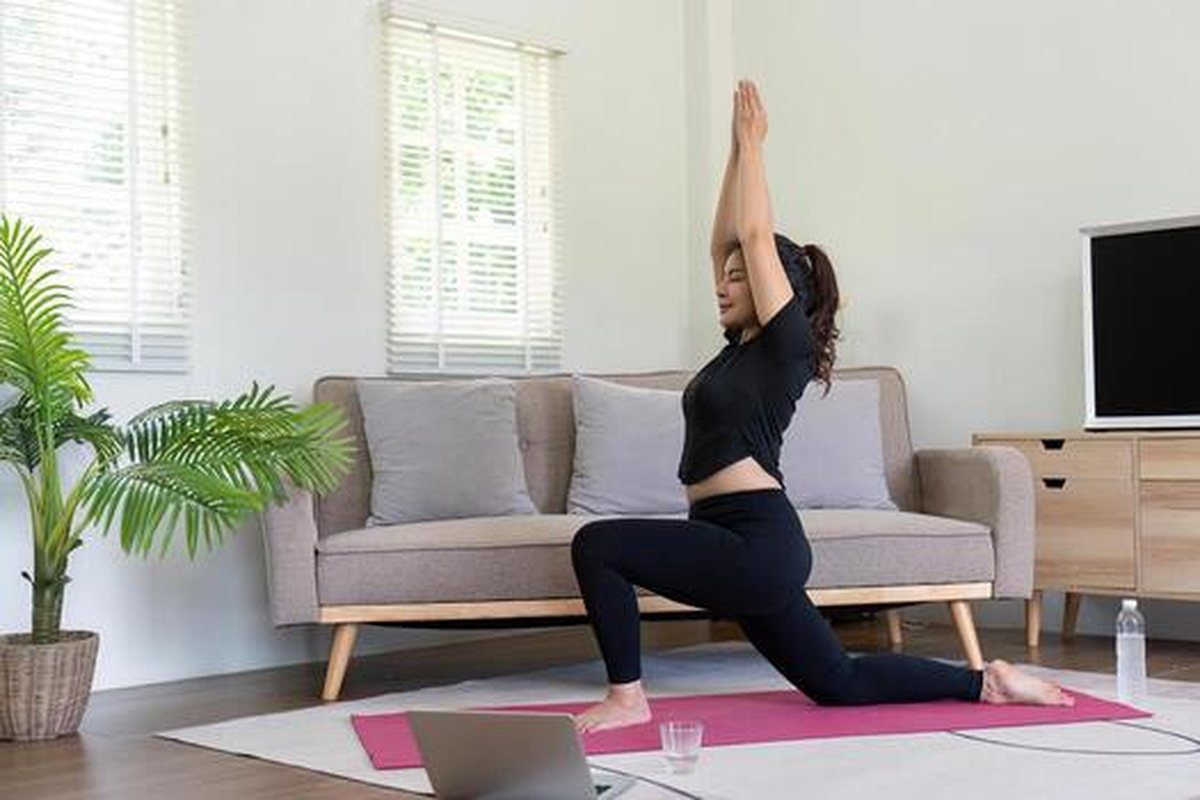
Stiff, achy joints are one of the most common reasons people slow down. The instinct is to rest more, but for most joints the opposite helps: gentle, regular movement keeps the structures lubricated, the muscles supporting them strong and the discomfort easier to live with.
These are the habits we recommend most often in our joint and bone health service.
Why joints complain
Joint discomfort usually comes from a combination of factors rather than one single cause: wear on the cartilage that cushions the joint, inflammation, weak supporting muscles, extra load from body weight, long periods in one position, and sometimes an old injury that never quite settled. Understanding which of these apply to you is what makes a plan work.
Movement really is medicine
Gentle movement encourages synovial fluid to circulate through the joint, which helps it glide more comfortably. It also keeps muscles and tendons conditioned. Walking, swimming, cycling, tai chi and gentle yoga are all kind options for sore joints.
Start smaller than you think you should. Short, frequent sessions beat one long one, and it is normal for joints to feel a little warmer after activity — as long as it settles. Sharp or lasting pain is a signal to stop and seek advice.
Strength work protects your joints
Strong muscles absorb load that would otherwise land on the joint. You do not need a gym: slow sit-to-stands, wall presses, step-ups, band rows and calf raises all build useful strength. A few minutes on most days is enough to notice a difference over time.
Desk and posture habits
- Change position regularly rather than holding one posture for hours.
- Keep screens at eye level so your neck is not constantly tilted.
- Support your lower back and keep feet flat on the floor.
- Use a headset for long calls instead of cradling the phone.
- Stand up and move briefly between tasks — a stretch counts.
Load, weight and joint comfort
Every joint carries your body weight with each step, so changes in weight can noticeably affect knee, hip and ankle comfort. We never approach this as a blame exercise — it is simply one lever among several, and it works best when nutrition, movement and sleep are supported together.
Heat, cold and recovery
Heat relaxes tight muscles and eases morning stiffness; cold can calm a joint that is hot and swollen after activity. Warm showers, heat pads, cold packs and elevating a swollen joint are all simple tools worth having at home. So is sleep: recovery happens overnight, and tired bodies tolerate discomfort less well.
Foods that support joints and bones
- Calcium and vitamin D — dairy, fortified plant milks, leafy greens, oily fish and safe sun exposure for bone strength.
- Protein — to maintain the muscle that protects your joints.
- Omega-3 fats — oily fish, walnuts and flaxseed, linked to inflammation.
- Colourful fruit and vegetables — for antioxidants and overall tissue health.
- Water — cartilage and discs function better when you are well hydrated.
The best exercise for your joints is the one you will still be doing next month.
A gentle daily routine to try
- Warm up with a shower or a short walk before stretching.
- Move each stiff joint slowly through its comfortable range.
- Add a few minutes of light strength work for the muscles around it.
- Break up long sitting spells with brief movement.
- Finish with heat or cold, whichever feels better for you.
When to get help
Please speak with a clinician if a joint is hot, red or badly swollen; if pain wakes you at night; if you cannot bear weight on a leg; if a joint locks or gives way; or if discomfort has been steadily worsening rather than settling. These signs deserve a proper assessment rather than another week of waiting.
For everyday stiffness, our joint and bone health service can assess your movement, check for contributing factors and build a programme you can comfortably follow at home — adjusted as your strength improves.